The Unfashionable Channels Still Paying America's Small Businesses
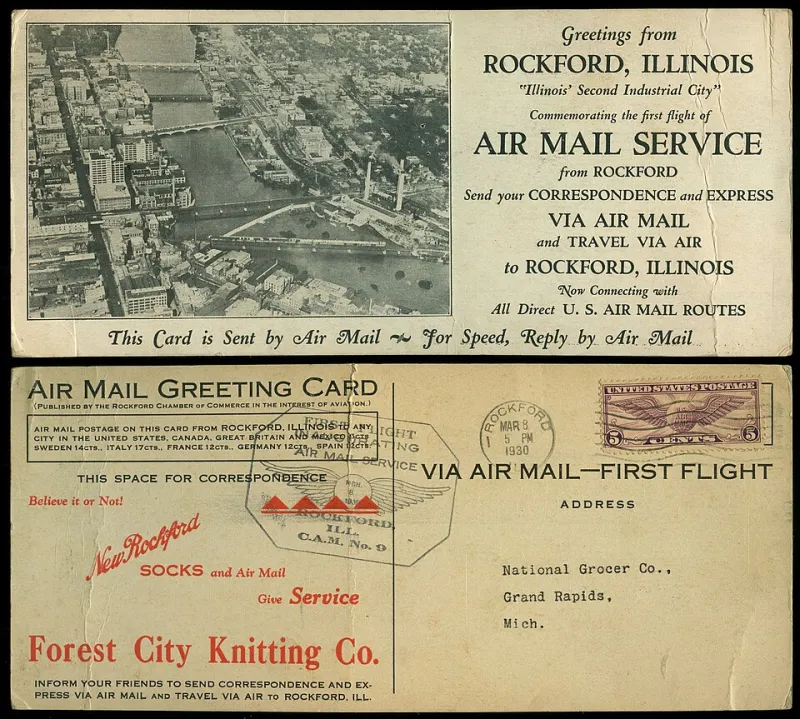
Photo: Steve Shook from Moscow, Idaho, USA, CC BY 2.0, via Wikimedia Commons
There is a certain gravity to the newest platform. Every few years a channel emerges, the marketing press anoints it, and small-business owners feel a familiar pressure to be present or fall behind. Meanwhile, in strip malls and industrial parks from Tulsa to Scranton, businesses are quietly building revenue through channels that no conference keynote is celebrating: email lists maintained for a decade, postcards that arrive the week a service is needed, and partnerships with the neighboring shop on the block.
This is not an argument that social platforms are useless. It is an argument about proportion. When a channel is fashionable, its costs rise and its audiences fragment, while the unfashionable channels sit unloved and underpriced. For a business with a modest budget, that asymmetry is an opportunity.
Why the Boring Stuff Compounds
Email is the clearest case. A social following is rented; the platform controls reach and can change the terms overnight. An email list is owned. A hardware store in Minnesota that spent three years collecting addresses at checkout now reaches thousands of past customers for effectively nothing each time it announces a sale. The returns are not viral, but they are cumulative, and unlike a boosted post, last year's list still works this year.
Direct mail has undergone a quiet rehabilitation for similar reasons. Digital inboxes are saturated; physical mailboxes are not. Response rates for mailed offers to existing customers routinely outperform comparable email sends, and for home services, real estate, and local healthcare, a well-timed piece of mail lands when the recipient is geographically close and contextually relevant. EDDM routes through the USPS let a small operator target specific ZIP codes without renting an elaborate database.
Local partnerships may be the most overlooked channel of all. The yoga studio and the juice bar share a customer. The roofing company and the realtor share a referral loop. These arrangements cost time rather than money, and the trust they transfer is the kind no ad buy can purchase.
A Framework for Choosing
Channel selection becomes manageable when reduced to three questions.
First, what is the purchase cycle? High-frequency, low-consideration purchases, such as restaurants and salons, benefit from repeat-visibility channels: email, social, loyalty mailers. Infrequent, high-consideration purchases, such as roofing or legal services, benefit from channels that build memory over time and arrive at the moment of need: direct mail, search, and referral partnerships.
Second, who is the customer, and what do they actually do? A business selling to retirees in rural Pennsylvania should weight its mix differently than one selling to commuters in Seattle. Customer habits, not platform hype, should dictate the allocation.
Third, what can the budget sustain for a full quarter? A channel abandoned after three weeks teaches nothing. It is better to run one email program and one mail drop consistently than to spread thin across five platforms and measure none of them properly.
When the Trendy Channel Fits Anyway
Fairness requires the counterpoint. Social platforms genuinely suit businesses whose product is visual, whose customer is young, or whose purchase is impulsive. A bakery's Instagram presence sells cakes; a bookkeeper's does not. The failure mode is not using social media, it is assuming that because a channel is popular, it is mandatory. Popularity is a signal of competition, and competition raises prices.
The Quiet Advantage
The most durable marketing assets a small business can build are ones no algorithm can take away: a permissioned email list, a neighborhood reputation, a referral network among neighboring owners. These channels lack novelty, which is precisely why they remain affordable and effective. In an era when everyone is chasing the newest feed, the unfashionable channel is often the one with the best odds, and the discipline to stay there is itself a competitive edge.