Ninety Days, One Campaign: A Small Business Owner's Roadmap From First Dollar to First Decision

Photo: Gage Skidmore from Surprise, AZ, United States of America, CC BY-SA 2.0, via Wikimedia Commons
For most small-business owners, the first paid digital campaign is a leap of faith. You've heard the success stories — the boutique in Austin that tripled its email list, the Midwest contractor whose phone stopped ringing off a single search campaign — and you've decided it's your turn. What those stories rarely include is the unglamorous middle: the weeks of setup, the small tests that fail quietly, and the discipline required to read data before acting on it.
This playbook breaks the first ninety days into manageable weekly milestones. The goal is not perfection. The goal is a defensible decision at the end of the quarter about whether to invest more or change direction.
Weeks 1–2: Define What Success Actually Means
Before a single dollar is spent, answer one question in writing: what business outcome would make this campaign worth it? Not clicks, not impressions — outcomes. A dental practice might set a target of forty new-patient bookings per month. An e-commerce brand might target a specific return on ad spend.
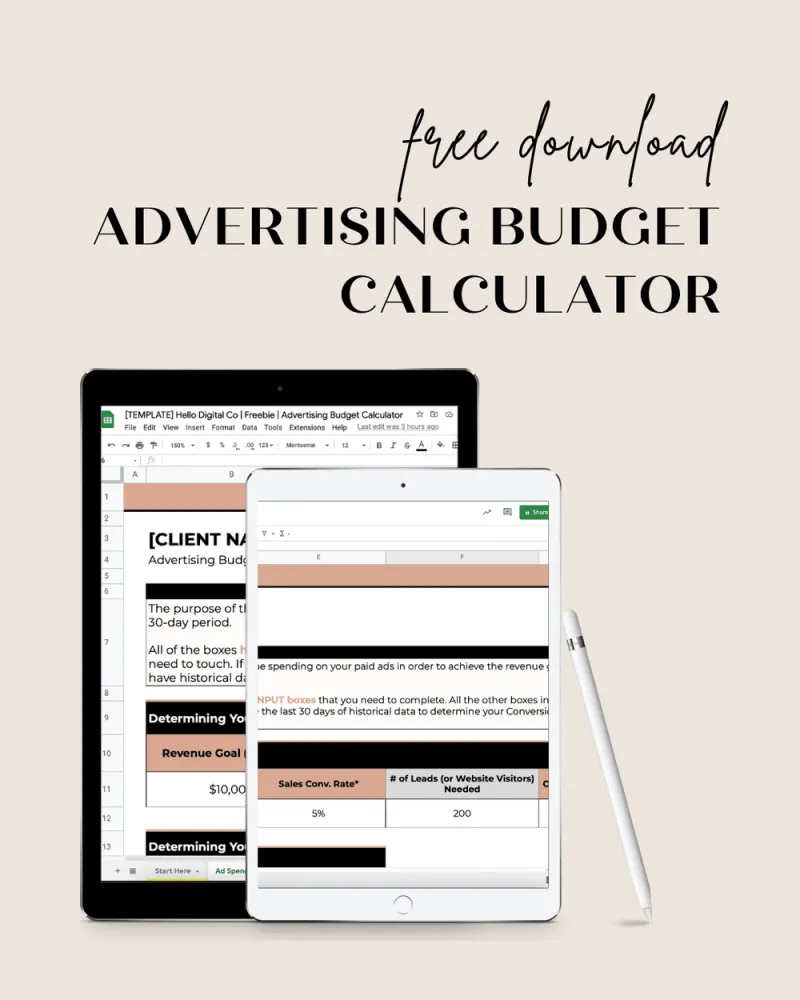
Pair that goal with a realistic budget. For a first campaign, $1,000 to $3,000 per month is a workable range for most US small businesses. Anything less, and you risk gathering data too slowly to learn anything meaningful. Anything more, and a misstep hurts more than it should.
Also complete the unglamorous prerequisites: a functioning landing page, a mobile-friendly checkout or contact flow, and a way to track conversions — whether that's Google Analytics, Meta's pixel, or your CRM.
Weeks 3–4: Choose One Channel and Build Simply
New advertisers often spread a modest budget across four platforms and learn nothing on any of them. Resist that impulse. Pick one channel based on where your customers already are.
- Search advertising suits businesses solving urgent, high-intent problems — plumbers, attorneys, urgent care.
- Social advertising suits visual products and considered purchases — apparel, home décor, restaurants, local events.
- Local service or directory ads work well for trades and regional service providers.
Build two or three ad variations, not ten. Keep the messaging plain: what you offer, who it's for, and why it matters. Fancy creative can come later.
Weeks 5–8: Test Deliberately, Not Impulsively
This is where most first campaigns stall. Early numbers will be noisy — a good day here, an expensive week there. Your job is to change one variable at a time and give each test enough budget to produce a real answer.
A practical rhythm: run each creative or audience variation for at least five to seven days before judging it. Track cost per conversion above all else. Click-through rates and engagement are useful diagnostics, but they don't pay rent.
Expect one of your early tests to fail outright. That's not wasted money; that's tuition. A failed test that tells you which message doesn't resonate is often more valuable than a lucky win you can't explain.
Weeks 9–10: Audit the Funnel, Not Just the Ads
If you're getting clicks but no conversions, the problem may not be your advertising. Review the entire path: Does the landing page match the ad's promise? Is the phone number easy to find? Does checkout work on a phone? In our experience reviewing small-business campaigns, roughly a third of "advertising problems" are actually website problems.
Weeks 11–12: The Day-90 Decision
At the end of the quarter, sit down with your numbers and make one of three calls:
- Scale. Cost per acquisition is at or below your target, and demand supports growth. Increase budget gradually — 20 to 30 percent at a time — so performance doesn't collapse.
- Pivot. The channel isn't producing viable economics, but the goal still matters. Redirect budget to a different platform or rework your offer entirely.
- Pause and rebuild. Tracking was unreliable or the offer wasn't ready. Fix the foundation before spending again.
Whatever you decide, document it. The businesses that eventually master paid media are the ones that treat their first ninety days as a structured experiment rather than a gamble. Write down what you learned, set a new target, and start the next quarter with evidence instead of hope.